
Before you commit to retiring in Austin, learn how the city’s modern amenities and high energy stack up against its rising costs.
Key Takeaways
- Austin is a good place to retire if you want the tax advantage of living in a state that doesn’t tax Social Security benefits or pension income.
- While Austin provides excellent healthcare and endless year-round entertainment, the high cost of housing means that downsizing there may not save as much money as expected.
- Austin’s identity as a fast-growing tech hub creates a youthful atmosphere that may be a mismatch for those seeking the slow-paced, quiet environment typical of traditional retirement communities.

Austin has been ranked among the top retirement cities in both Texas and the United States, and it’s easy to see why so many people are drawn here. But if you’re considering making a move to Austin permanently, it helps to know what you’re actually getting into before you commit. So, is Austin a good place to retire? Here’s an honest look at both the pros and cons of the city.
What Makes Austin a Good Place To Retire?
Austin offers a mix of financial advantages, lifestyle perks, and practical amenities that make it genuinely appealing for retirees.
No State Income Tax
Texas levies no state income tax, which is a major win for retirees on fixed incomes. That means the state doesn’t tax Social Security benefits, pension income, or retirement account withdrawals.
There’s also no estate or inheritance tax in Texas. For retirees, that can translate to more predictable monthly cash flow and less erosion of the wealth you’ve spent decades building.
Plenty of Things To Do Year-Round
Austin is not a quiet, sleepy retirement town, but for many retirees, that’s part of the draw. The sheer variety of things to do in Austin is one reason many people see it as such a good place to retire.
Live music spills out of venues across the city every night of the week, and major festivals draw visitors and locals alike throughout the year. The food scene is equally diverse, ranging from legendary food trucks to nationally recognized restaurants.
Museums, cultural events, and local programs fill the calendar. And because there are more than 200 parks, trails, and green spaces scattered throughout the city, outdoor enthusiasts have no shortage of options.
Mild Winters and Long Warm Seasons
If you want to avoid harsh winters, Austin offers mild winters and long, warm seasons. That means you’ll avoid backbreaking snow shoveling, icy roads, and months spent cooped up indoors waiting for spring. For retirees who want to stay active outdoors, a warmer climate is a real quality-of-life upgrade.
Good Access to Healthcare
Austin has a strong healthcare infrastructure, including hospitals, specialists, and senior care services spread across the metro area. Many neighborhoods are close to medical facilities, which is important when you’re planning for the long term. Having reliable, accessible care nearby is a key factor for any retirement destination.
What Are the Downsides of Retiring in Austin?
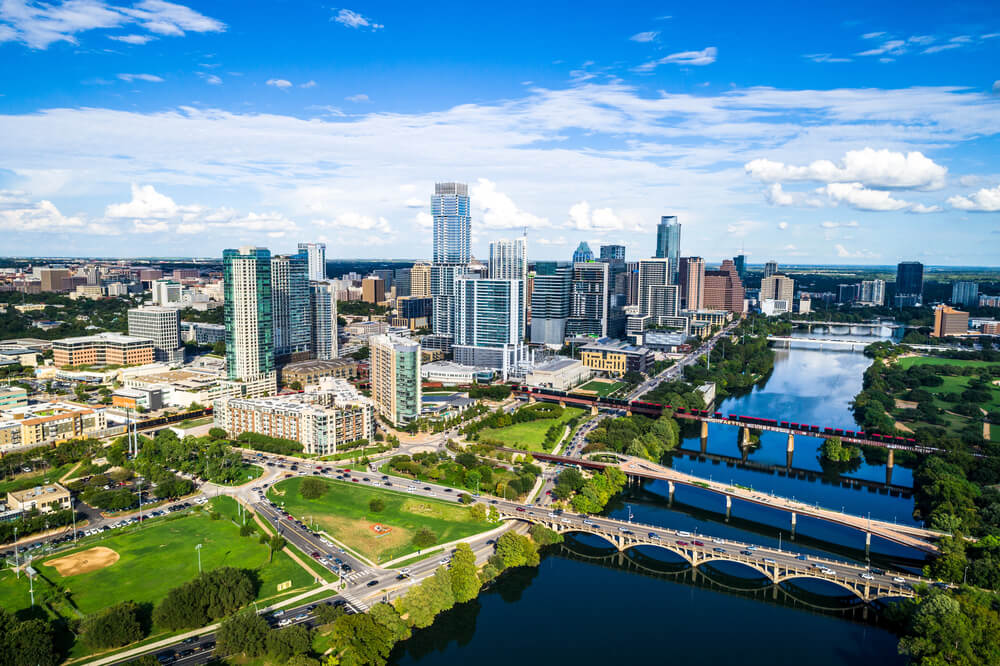
No city is perfect, and Austin may not be a good place to retire for everyone. Some of its trade-offs can be a dealbreaker for retirees.
High Cost of Living
Home prices in Austin are higher than the national average in many areas because the city has grown so quickly over the past decade. Even if you plan to downsize, housing costs may still be higher than expected.
If you’re relocating from California or another high-cost state, Austin might still feel manageable. But if you’re coming from most other parts of the country, housing costs can be high for many retirees.
Hot Summer Heat
Temperatures during Austin summers regularly hit the high 90s to over 100°F and can stay there for months. That level of heat can limit outdoor time, especially for people with certain medical conditions. Running the air conditioner for long stretches can also lead to high electric bills during the summer.
Austin Is Not a Quiet Retirement Town
Austin is young, energetic, and growing fast, which is great for some retirees and genuinely not right for others. As a major tech hub, the city sees constant development and construction. The nightlife, events, and steady population influx keep things active around the clock. That translates to noise, traffic, crowds, and a pace of life that doesn’t lend itself to the relaxed, slow-moving retirement vibe you might find in smaller Texas cities like New Braunfels or Georgetown.
Try Austin Living Before You Commit to Retirement
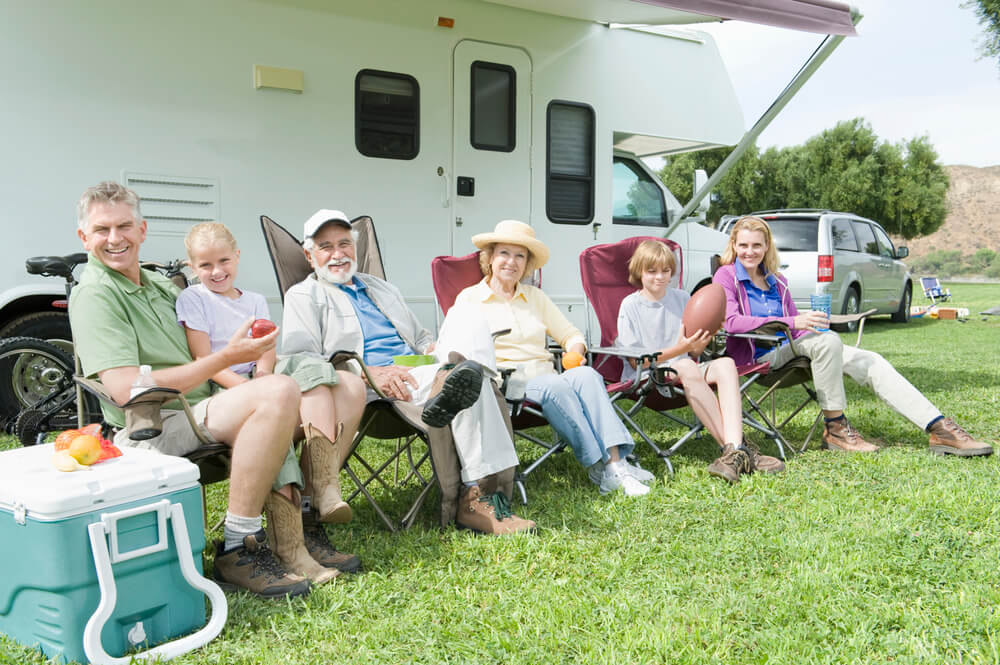
Austin, Texas, is a good place to retire if you want an active, social lifestyle in a city that still values culture, outdoor living, and year-round energy. But moving is a big decision, and the city isn’t one-size-fits-all.
Before making a permanent move, spend some time getting to know the area from a comfortable home base. Austin RV Park gives retirees a convenient way to explore the city at a slower pace while enjoying full hookups, modern amenities, and easy access to everything Austin has to offer.
Book a stay at Austin RV, a welcoming long-term RV park in Austin, and start planning your retirement.